
 Deutsch
 한국어
한국어 日本語
日本語 Français
 Português
 Español
 Русский
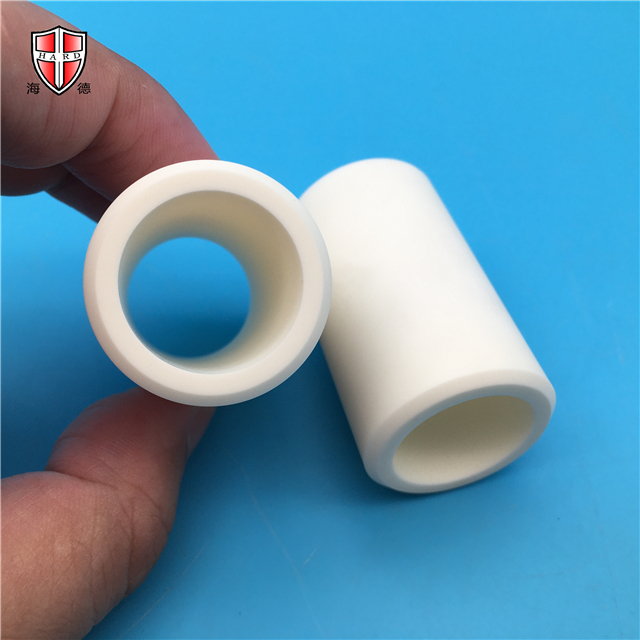
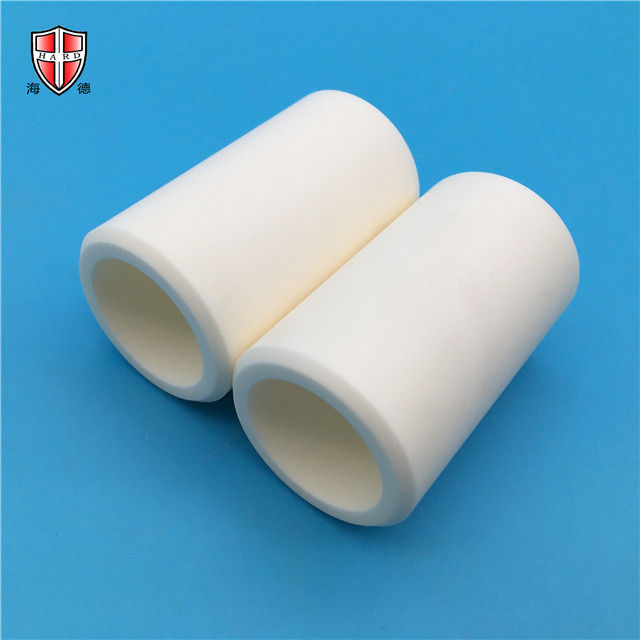
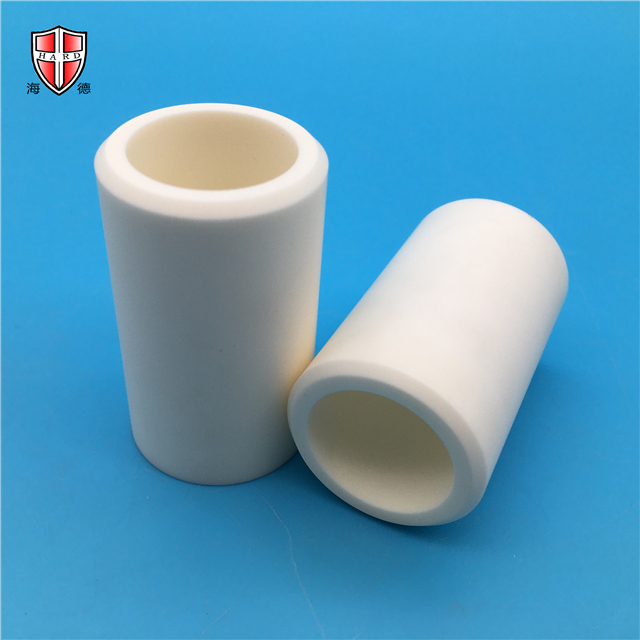

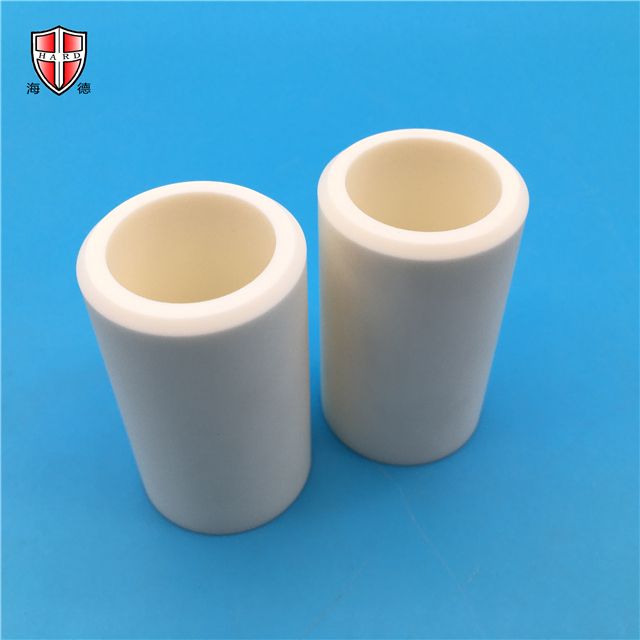
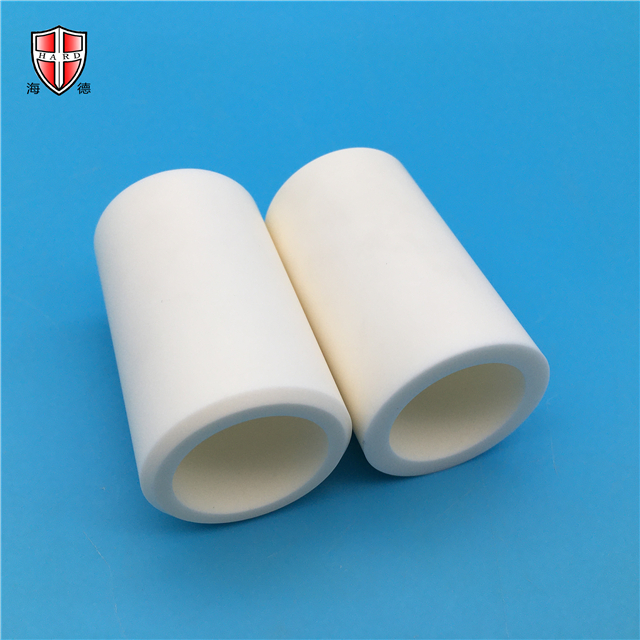
Design FeaturesAlumina ceramic sleeves, with their excellent physical and chemical properties, are widely used in various industries as protective or insulating layers.
In terms of design, these sleeves come in various structural forms to adapt to different application environments and functional requirements. Their main
characteristics include high density, excellent wear resistance and high-temperature resistance, and superior electrical insulation properties.
The high density of alumina ceramic (3.85 g/cm³) ensures its stability and durability under high loads. Simultaneously, its Vickers hardness reaches 15.7 GPa,
allowing it to maintain good mechanical properties even in extreme environments.
Application areas
Electronics Industry
Alumina ceramic tubing plays a crucial role primarily in the electronics industry. Due to its non-conductive nature, it can serve as a protective layer for wires
or sensitive electronic components, preventing electrical interference and environmental factors. Furthermore, its excellent thermal shock resistance,
withstanding temperature variations up to 200°C, makes it perform exceptionally well in high-temperature operating environments, such as those with a
maximum operating temperature of 1650°C.
Chemical Industry
The chemical industry is another important application area for alumina ceramic tubing. Here, it is often used as part of chemical reaction tubing to handle
corrosive chemicals. Its compressive strength up to 2000 MPa and flexural strength up to 330 MPa ensure structural integrity and durability during chemical
reactions. In addition, the chemical resistance of alumina ceramics allows it to withstand corrosion from various chemical media, ensuring the purity and safety
of the reaction.


