
 Deutsch
 한국어
한국어 日本語
日本語 Français
 Português
 Español
 Русский
Design Features
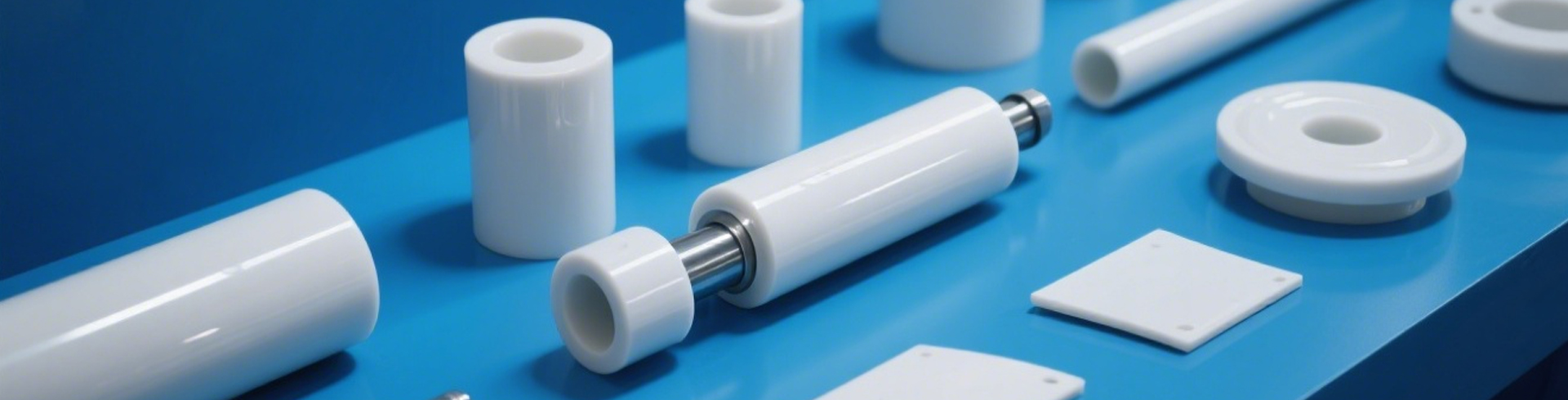
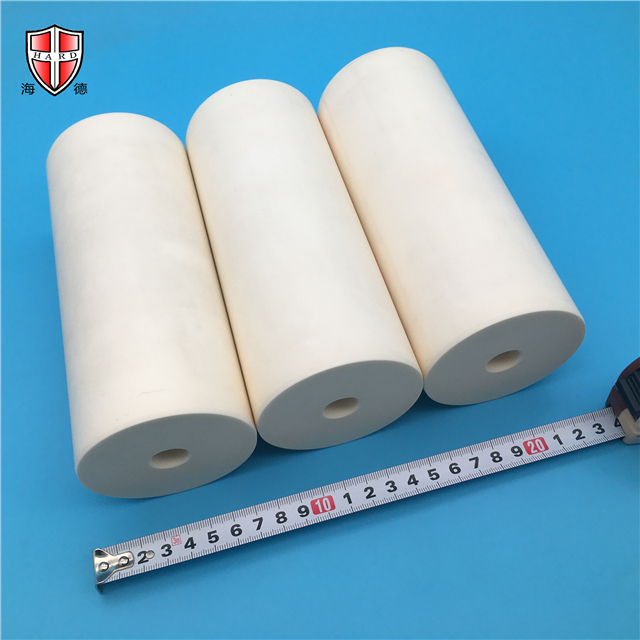
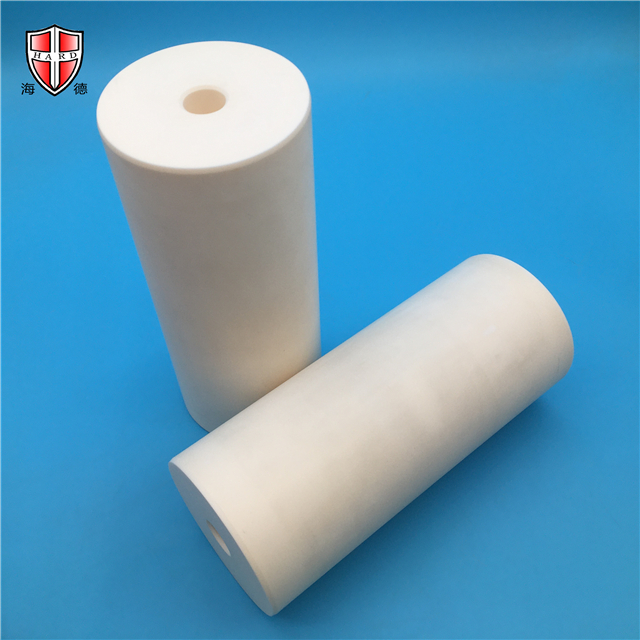
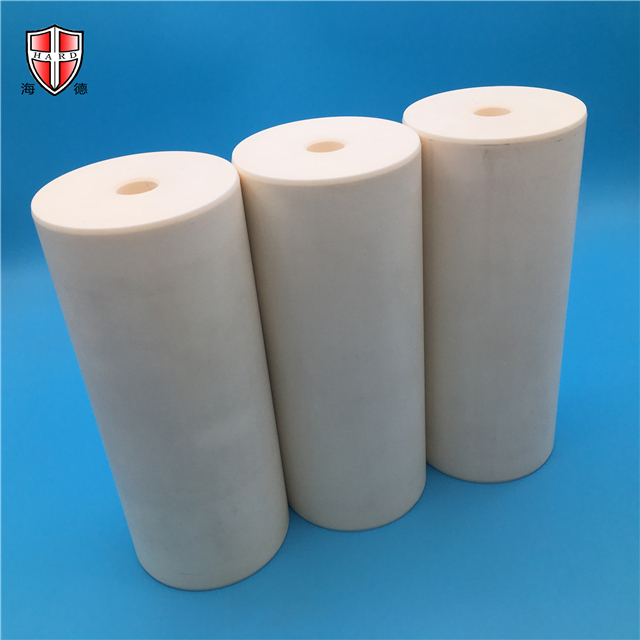
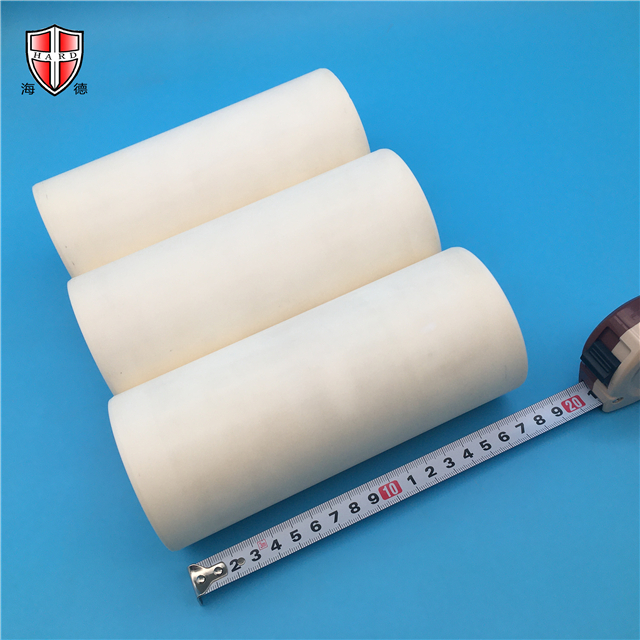
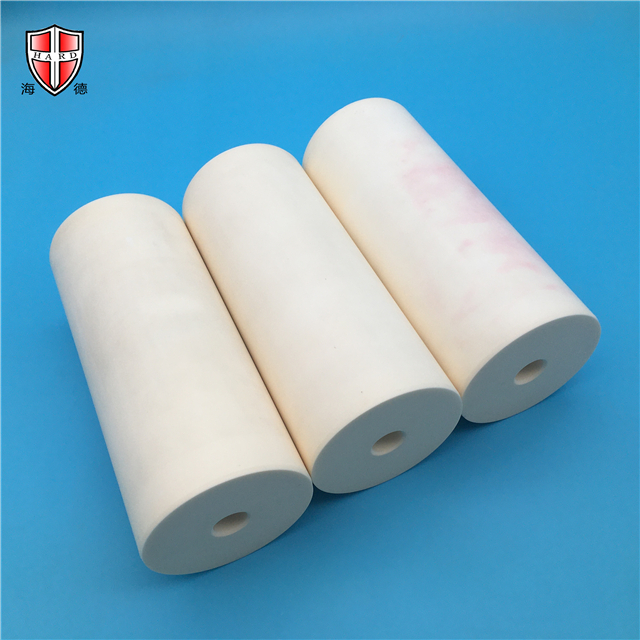
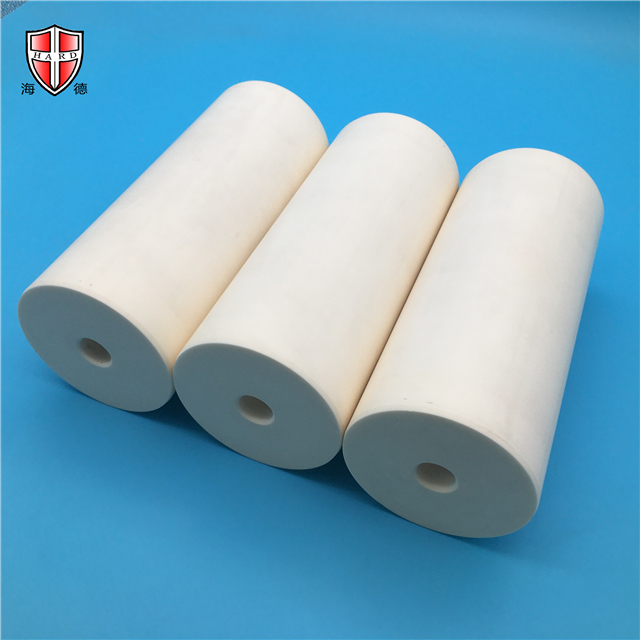
Alumina ceramic hollow tubes, also known as insulating precision ceramic bushings or ceramic tube sleeves, are a high-performance industrial ceramic
material with a variety of remarkable physical and chemical properties. These ceramic tubes are compact in design and primarily used in smaller structures and applications; they are not suitable for environments with large ceramic tubes.
High-purity alumina material
The main material used in its manufacture is 96% high-purity alumina, ensuring excellent mechanical properties and wear resistance.
Zero water absorption and air permeability
The alumina ceramic hollow tube has 0% water absorption and zero air permeability, meaning it performs excellently in humid or airtight environments.
Excellent electrical insulation
It has a very high breakdown strength (12 KV/mm), making it ideal for use as a sheath for electrical insulation.
High temperature resistance
It can withstand temperatures up to 1600℃, making it suitable for high-temperature environments.
Good mechanical strength and toughness
It has a bending strength of up to 300 MPa and a compressive strength of up to 2000 MPa, while possessing moderate fracture toughness (3.5 MPa·m1/2).
Thermal stability and thermal shock resistance
It has a low coefficient of thermal expansion (6.5-7.5 x 10⁻⁶/℃) and high thermal conductivity (25 W/(m·K)), and can withstand thermal shock up to 200℃.
Application areas
Electronics and Electrical Industry:
As cable sheaths and electrical insulation, protecting wires from mechanical damage and preventing electrical faults.
Mechanical and Structural Applications:
Used in mechanical devices, such as bearing sleeves and guide components, providing sliding and structural support.
Heat Treatment and Furnace Applications:
Used as protective sheaths in heat treatment equipment, preventing sensitive components from direct exposure to extreme environments.
Scientific and Laboratory Applications:
Used as corrosion-resistant and high-temperature resistant containers or pipes in chemical and physical experiments.
Aerospace and Automotive Industry:
Used for sensor protection, especially in environments requiring high temperature resistance and electrical insulation.


