English
 Deutsch
 한국어
한국어 日本語
日本語 Français
 Español
 Русский
| Yttria-stabilized Zirconia Ceramic Properties | ||
| Item | Unit | Typical Values |
| Physical Properties | ||
| Color | Customized | |
| Density | g/cm3 | 6.00 |
| Zirconia Content | % | 94.4 |
| Gas Permeability | 0 | |
| Water Absorption | 0 | |
| Crystal Size | um | 0.5 |
| Mechanical Properties | ||
| Moh's hardness | Grade | 8.2 |
| Rockwell Hardness(45N) | HRA | 78 |
| Vickers Hardness (Load 500g) | Gpa(Kg/mm2) | 11.5(1175) |
| Flexural Strength (20°C) | Mpa | 800 |
| Compressive Strength (20°C) | Mpa | 2000 |
| Modulus of Elasticity (20°C) | Gpa | >200 |
| Fracture Toughness (20°C) | Mpam1/2 | 9 |
| Thermal Properties | ||
| Thermal Conductivity (20°C-400°C) | W/m.K | 2.5 |
| Thermal Expansion Coefficient | 10-6/°C | 9.6 |
| Thermal Shock Resistance | △T°C | 250 |
| Electronic Properties | ||
| Dielectric Constant | Er | 30 |
Material properties
1. High toughness, high bending strength and high wear resistance
Fracture toughness
The high toughness of zirconia ceramics makes it less likely to break or shatter when subjected to impact or stress. This makes it excellent in
applications that need to withstand high impact loads or frequent use, such as knives, bearings, medical implants, etc., improving the service life
and safety of the product.
High bending strength
The high bending strength of zirconia ceramics means that it can withstand greater bending stress without breaking or deforming. This is very
beneficial in applications such as structural parts and mechanical parts that need to withstand high stress, ensuring reliable performance and
stability in complex environments and reducing the risk of material failure.
High wear resistance
The high wear resistance of zirconia ceramics enables it to maintain its structural integrity and functionality for a long time in friction and wear
environments. This makes it very suitable for parts that are subject to frequent wear, such as grinding tools, mechanical seals and cutting tools,
extending the service life of these parts and reducing maintenance costs and downtime.
2. Low thermal conductivity (insulation), thermal expansion coefficient close to that of steel
Low thermal conductivity (insulation)
The low thermal conductivity of zirconia ceramics makes it an excellent thermal insulation material that can effectively block heat transfer. This
property is particularly important in high-temperature environments, such as thermal insulation layers, thermal shielding, and high-temperature
structural parts in the aerospace field. It can significantly reduce heat loss, protect key components from thermal damage, and improve the
energy efficiency of the overall system.
Thermal expansion coefficient close to that of steel
Zirconia ceramics have a thermal expansion coefficient close to that of steel, so they are widely used in the field of structural ceramics to reduce
cracking or delamination caused by thermal stress and ensure the long-term stability and reliability of the product.
application
1. Structural ceramics
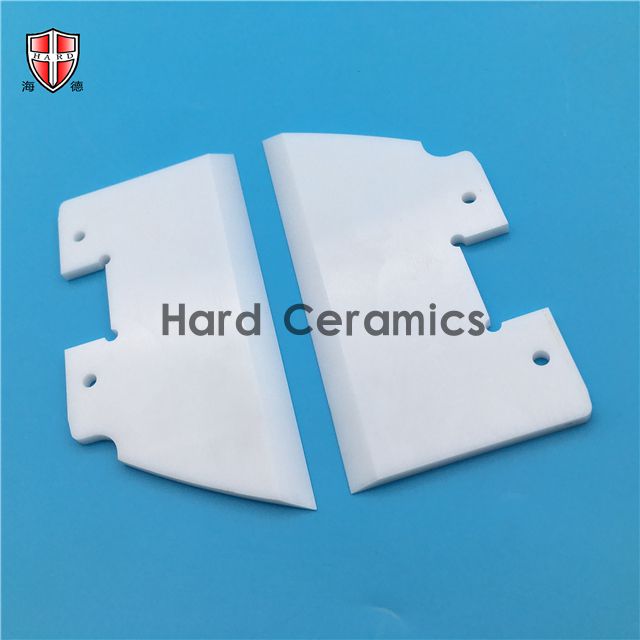
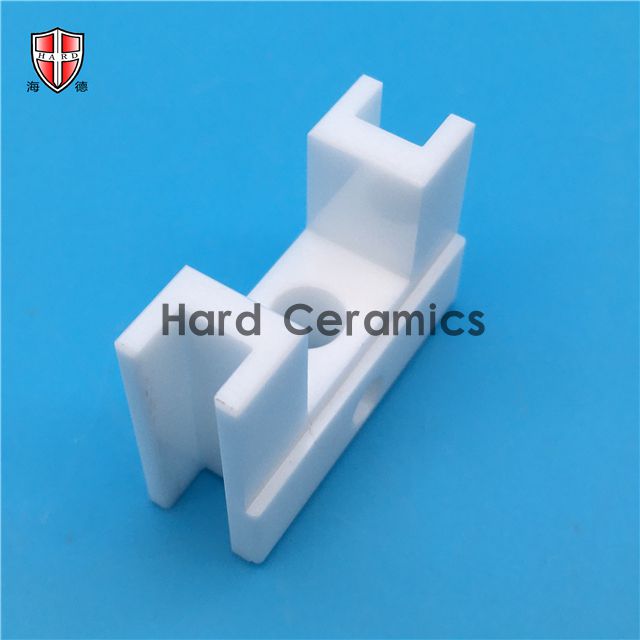
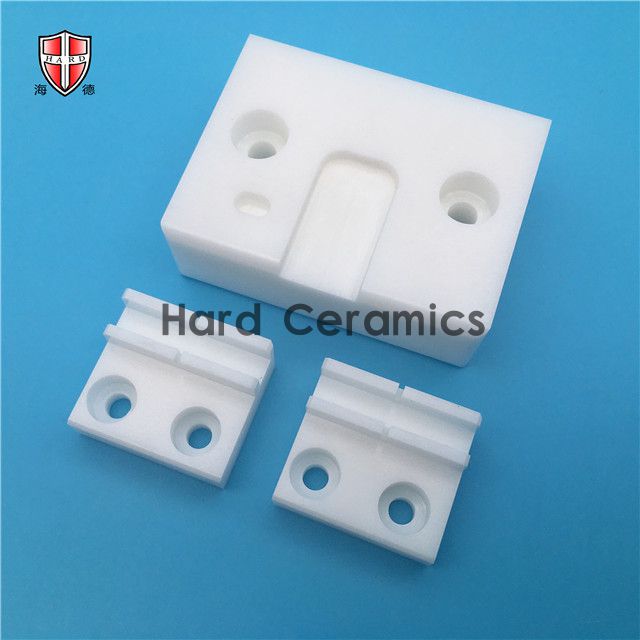
Plunger, valve core ball, guide block, industrial knife, axis and other structural parts
Zirconia ceramics are widely used in the field of structural ceramics due to their excellent material properties. First, their high toughness makes
them less likely to break when subjected to impact or stress, making them suitable for structural components in high-load and dynamic
environments, such as mechanical bearings and medical implants, providing excellent service life and reliability. Secondly, zirconia ceramics have
high flexural strength, which enables them to maintain structural integrity under complex stress conditions, especially in applications that require
high stress resistance, such as precision instruments and engineering machinery parts. Their high wear resistance further expands their application
in situations with frequent wear, such as cutting tools, grinding tools, and seals, significantly extending the service life of these components and
reducing maintenance costs.
In addition, the low thermal conductivity of zirconia ceramics makes it an ideal thermal insulation material, which can be used to protect critical
structures from thermal damage in high-temperature environments, such as in thermal shielding and thermal insulation layers in the aerospace
field. At the same time, its thermal expansion coefficient is close to that of steel, which reduces the risk of failure caused by thermal stress when
used in combination with metals such as steel. This is particularly important in composite materials, coating technology and bonding layers,
ensuring the long-term stability and reliability of the material. Therefore, the application of zirconia ceramics in structural ceramics not only
improves product performance, but also broadens the application range of materials in high-performance machinery and industrial fields.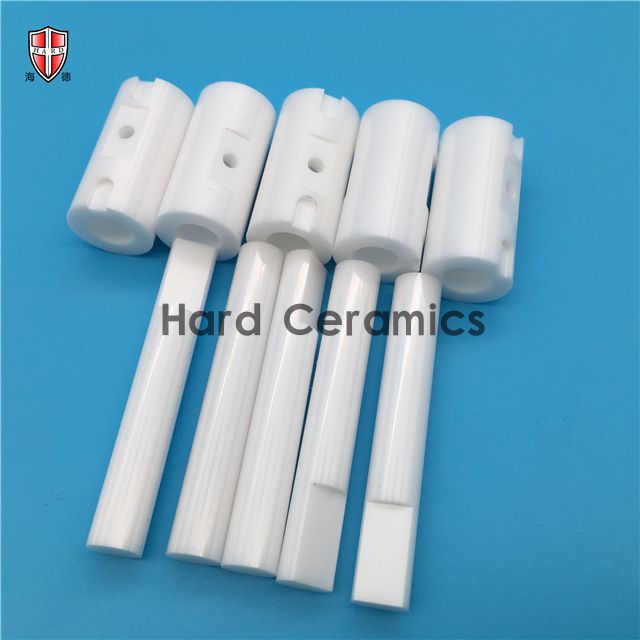
2. Functional Ceramics
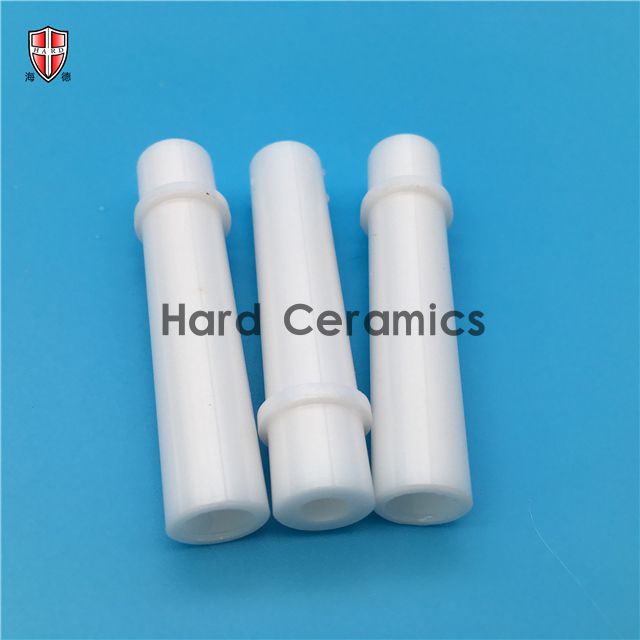
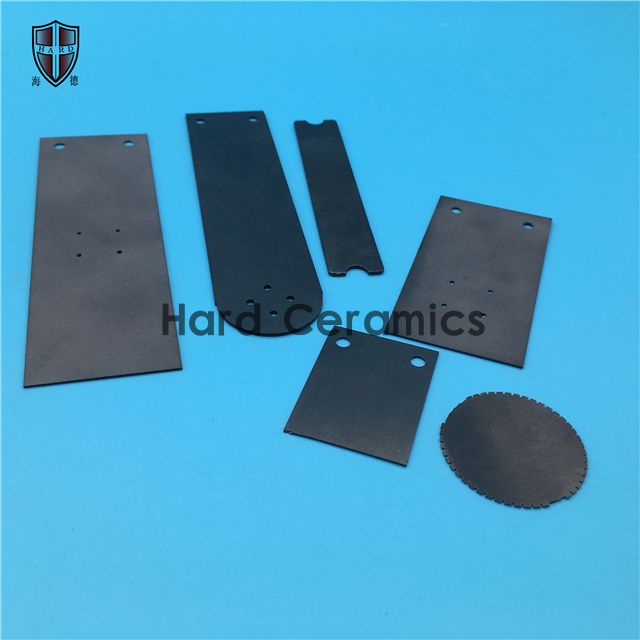
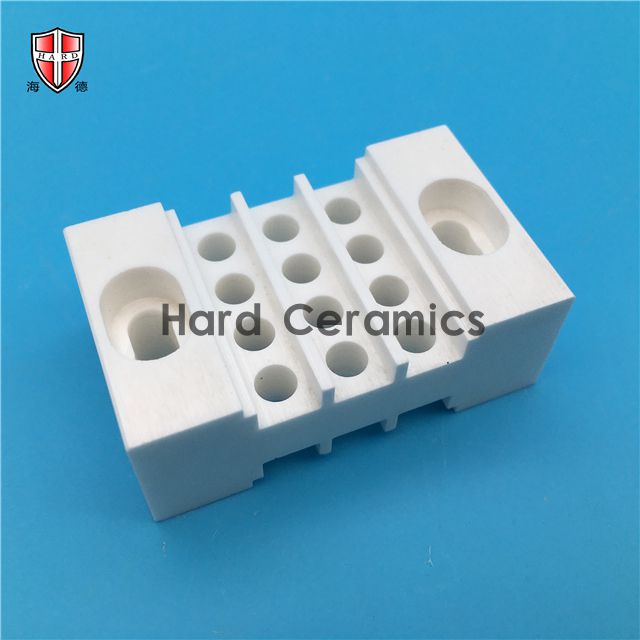
Refractory tubes, temperature sensors and other functional ceramic parts
Zirconia ceramics have shown a variety of applications in the field of functional ceramics, mainly due to their excellent high temperature
resistance and unique electrical properties. First of all, zirconia ceramics have excellent high temperature resistance and can maintain their
structural stability and functional integrity in extremely high temperature environments, which makes it an ideal material for thermal induction
tubes and refractory materials. In these applications, zirconia ceramics can effectively resist high temperature erosion, extend the service life of
equipment, and ensure the safety and efficiency of high temperature operations.
In addition, the sensitive electrical properties of zirconia ceramics are also a key factor in their widespread application in functional ceramics. It
exhibits excellent insulation at low temperatures and partial conductivity at high temperatures. This unique electrical property makes it widely
used in temperature sensors, oxygen sensors, and solid oxide fuel cells (SOFCs). In these devices, zirconia ceramics can accurately sense and
respond to temperature changes, providing reliable electrical performance parameters, thereby supporting efficient energy conversion and
precise environmental monitoring. Therefore, the application of zirconia ceramics in the field of functional ceramics not only improves the
performance of various devices, but also promotes the technological advancement of advanced materials in high-temperature environments.
Technological innovation and advantages
1. Technological innovation: "Zirconium oxide ceramics (magnesium stabilized)"
The performance of zirconia ceramics has been significantly improved by the introduction of magnesium stabilizers. Magnesium Stabilized
Zirconia (MgO-ZrO₂) is an innovative material that overcomes the limitations of traditional zirconia ceramics in extreme high temperature
environments and exhibits excellent high temperature stability and mechanical strength.
Higher operating temperature
One of the biggest advantages of magnesium-stabilized zirconia ceramics is that its maximum operating temperature in an oxygen environment
reaches an astonishing 2100°C, which is 2.5 times that of traditional zirconia ceramics. This makes it perform better in extreme high-temperature
applications, especially in aerospace, energy, metallurgy and other fields that need to withstand extremely high temperatures, showing
unparalleled advantages.
Enhanced compressive strength
Through magnesium stabilization technology, the compressive strength of zirconia ceramics has also been significantly enhanced to an additional
500 MPa. This feature makes magnesium-stabilized zirconia ceramics more widely applicable in applications requiring high strength and pressure
resistance, and can withstand higher mechanical stress.