
 Deutsch
 한국어
 日本語
 Français
 Português
 Español
 Русский

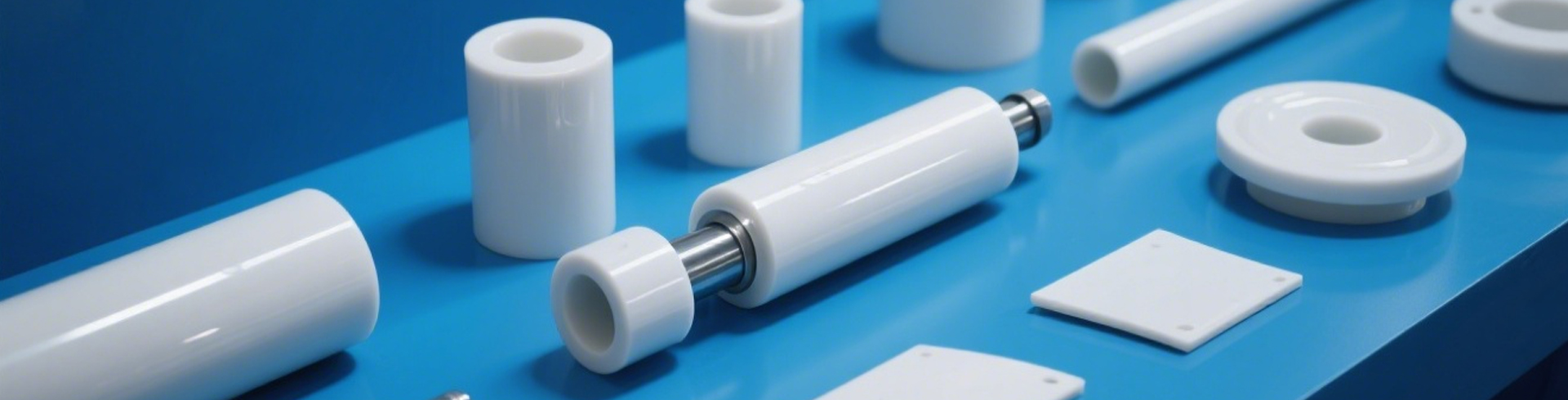
Ceramic envelopes are primarily used in the power electronics industry—for instance, as housings for high-frequency, high-power electron tubes or as components for
electronic vacuum tube switches. Historically, glass was the earliest material employed for such envelopes; however, it suffers from significant dielectric loss, rapid
temperature increases, and a tendency to crack or shatter. Consequently,Alumina (Al₂O₃) ceramics are now the preferred choice for the housings of high-power
electronic devices. These electronic-grade alumina ceramics offer a range of superior properties—including high mechanical strength, excellent insulation, low
high-frequency loss, high electrical strength, high-temperature resistance, and strong thermal shock resistance—making them the most suitable material on the
market and providing distinct advantages over glass for high-power electron tube envelopes.
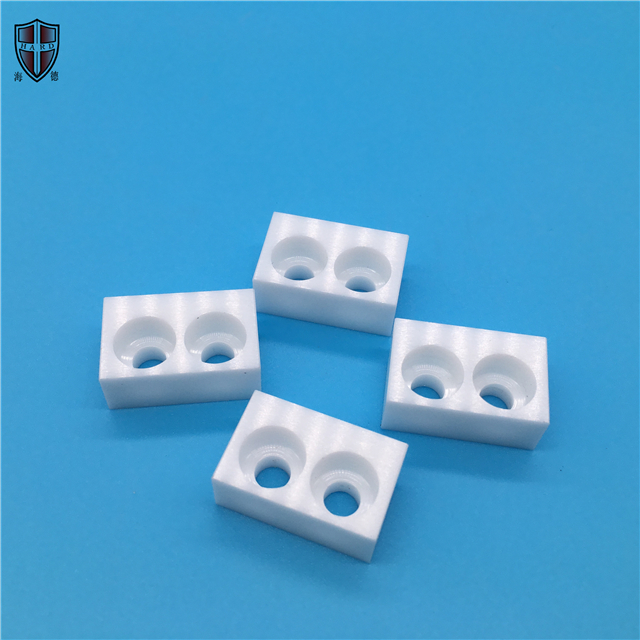
How are ceramic parts manufactured? The precision processing workflow for industrial ceramics
Ceramics are materials that exhibit excellent mechanical properties at room temperature. They adapt well to external environments, offering strong resistance to both
oxidation and corrosion. Consequently, they are widely used across many sectors and have earned high praise within the industry. As technology continues to advance,
the quality and adaptability of silicon carbide ceramics—a key type of technical ceramic—are constantly improving, which in turn drives further enhancements in their
performance metrics. One notable application for silicon carbide ceramics is in the production of sealing rings.
Most people are familiar with ceramics, including specific types such as zirconia and alumina ceramics. In the following sections, we will provide a brief overview of
alumina ceramics and list some price points from the Alibaba marketplace to help you gain a better understanding of them. While the term "alumina ceramics"
may not be widely recognized by name, such ceramic materials are, in fact, used extensively in everyday life—for instance, in components for the textile industry.


