
 Deutsch
 한국어
한국어 日本語
日本語 Français
 Português
 Español
 Русский
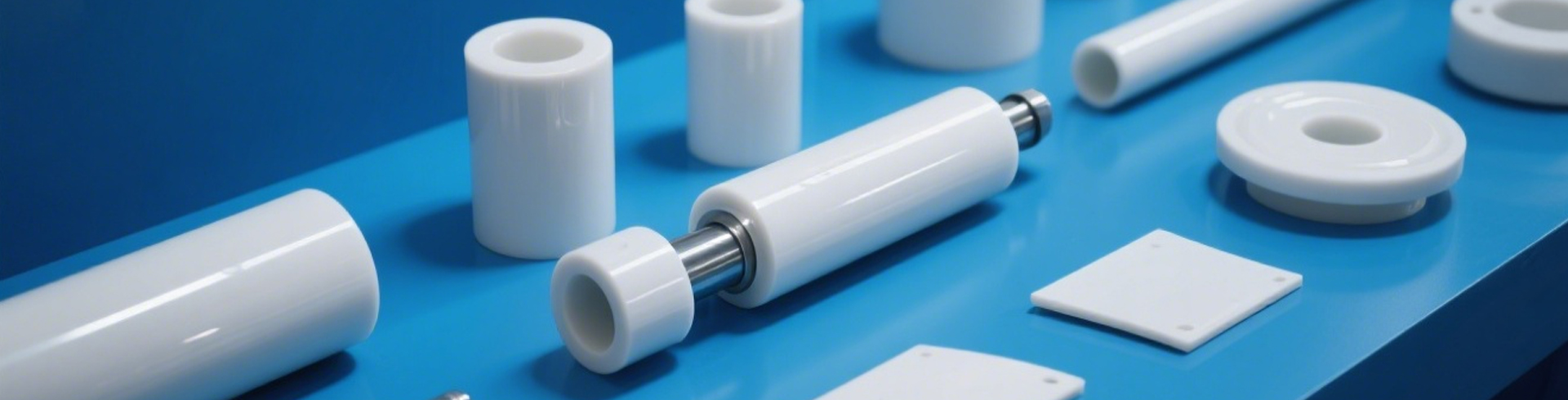
In the field of electronic circuits, the functional properties of materials often directly affect the final application of products, making material selection crucial.
Alumina ceramic materials have undergone further improvements and enhancements based on the properties of traditional ceramics, enabling them to adapt to
various specific needs across different industries and giving them a strong market reputation.
Firstly, alumina ceramic products possess excellent mechanical strength. Their unique molecular composition results in excellent electrical conductivity and beneficial
thermal conductivity. Simultaneously, alumina ceramics are robust and wear-resistant, allowing them to perform their intended function in any application and
significantly contributing to extending product lifespan.
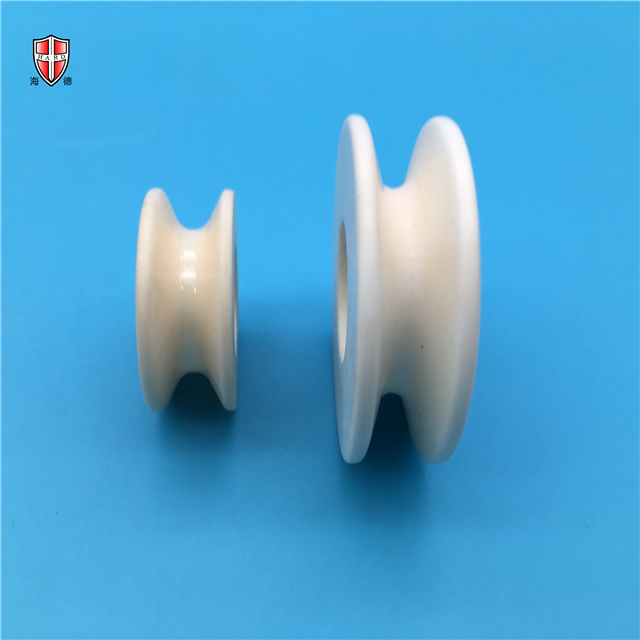
What is alumina ceramic? What are the main characteristics of alumina ceramic?
Secondly, alumina ceramics are relatively lightweight. During transportation and use, this effectively reduces the product's weight, lowers the equipment's operating
weight and failure rate, and reduces investment for enterprises in equipment and other aspects. It is a lightweight material with great development potential.
What are the excellent properties of alumina ceramic materials?
Finally, when we talk about ceramic materials, we often associate them with fragility and breakage. However, due to the addition of special processing materials,
alumina ceramics differ from traditional ceramics in physical properties. High-quality alumina ceramic products generally have high hardness and will not be damaged
under impact or compression. They possess strong mechanical properties and can meet the needs of many applications.


