
 Deutsch
 한국어
한국어 日本語
日本語 Français
 Português
 Español
 Русский
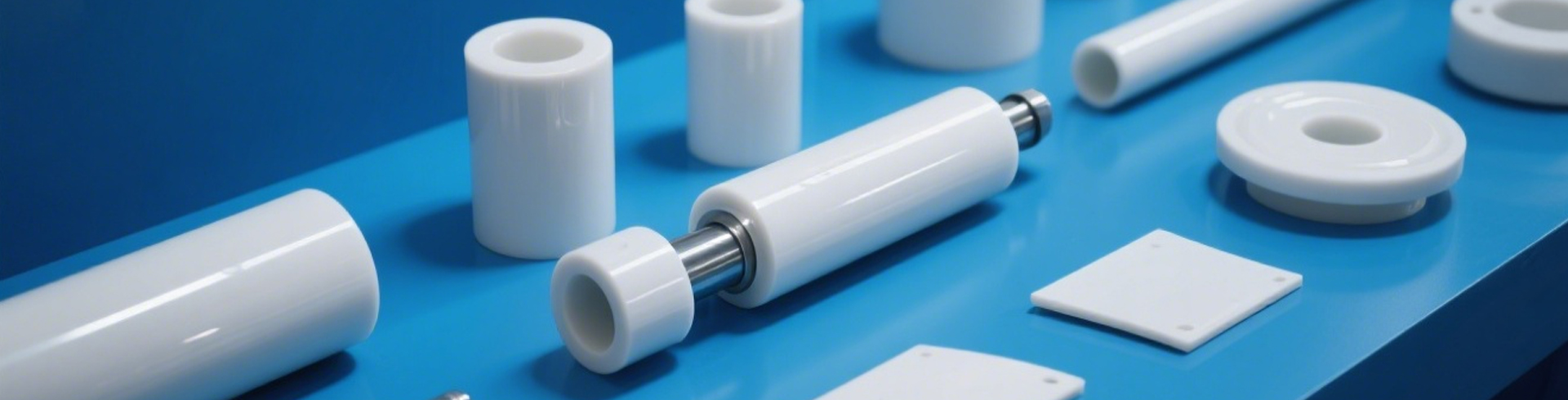
Zirconia ceramics have a very high hardness. Hardness test reports for zirconia used in cutting tools show a hardness greater than 9, second only to diamond.
This is correct; diamond's hardness is defined as 10. Crystal's hardness is around 7, not as high as zirconia.
As modern people's living standards improve, the quality requirements for everyday products are also higher, making zirconia ceramic parts highly sought after.
Zirconia ceramic parts possess advantages such as high toughness, high bending strength, high wear resistance, excellent thermal insulation properties, and a
coefficient of thermal expansion close to that of steel. Products made from zirconia ceramic parts are environmentally friendly and safe. Do you know exactly what
the hardness of zirconia ceramic parts is?
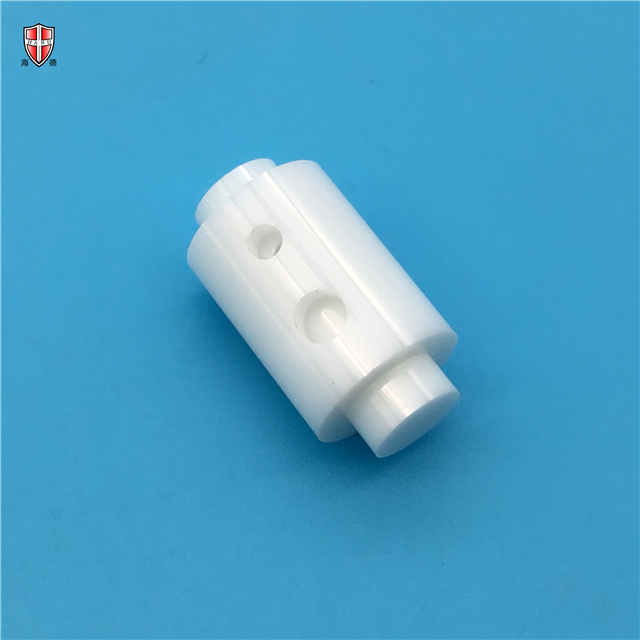
What is the hardness of zirconia ceramics? Are zirconia ceramic parts hard or not?
Pure zirconia has a molecular weight of 123.22, a theoretical density of 5.89 g/cm³, and a melting point of 2715℃. It typically contains a small amount of
hafnium oxide, which is difficult to separate, but this has no significant impact on the performance of zirconia ceramic parts. Zirconia exists in three crystal
morphologies: monoclinic, tetragonal, and cubic. At room temperature, zirconia exists only in the monoclinic phase; it transforms into the tetragonal phase at
around 1100℃, and into the cubic phase at even higher temperatures.
Zirconium oxide ceramic parts possess high strength, wear resistance, are oxidation-free, rust-free, acid and alkali resistant, and antistatic, making them ideal
high-tech, green zirconia ceramic parts for the world today. Currently, there are many zirconia ceramic parts on the market. Zirconia ceramic parts have been
successfully used in heating elements and equipment operating in oxidizing atmospheres above 2000℃, and their application as electrode materials in magneto
hydrodynamic power generation is also under active research.


